question 1: what is the korean e3 station group ? what are its main features?
the korean e3 site group refers to an online marketing strategy in the korean market that uses multiple website groups to achieve information dissemination and traffic aggregation. its main features include: diversified content publishing forms, precise marketing for specific user groups, and improving the website's search engine ranking through seo optimization. e3 site groups usually include multiple theme-related websites to occupy more keyword positions in search engines and obtain higher traffic.
question 2: what technical factors need to be considered when developing a korean e3 site group ?
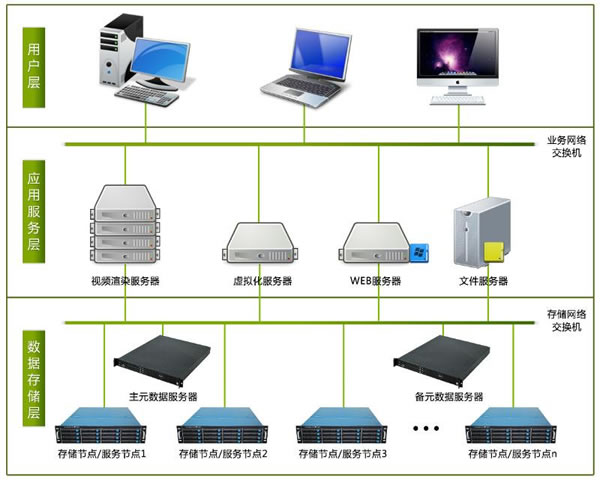
when developing the korean e3 site group, the following technical factors need to be considered:
1. server selection: choose a stable server to ensure fast loading speed and high availability of the website.
2. domain name management: properly plan and manage multiple domain names to ensure that each site can operate independently and support each other.
3. website design: use responsive design to ensure that the website can be displayed well on various devices.
4. seo optimization: conduct comprehensive seo optimization in terms of website structure, content layout, keyword settings, etc. to improve search engine rankings.
5. data analysis: use data analysis tools to monitor website traffic and user behavior, and adjust operating strategies in a timely manner.
question 3: how to carry out effective content management during the operation of the korean e3 site group ?
content management is the core of e3 site group operation. the following are several effective content management strategies:
1. content diversity: ensure that each website has unique and high-quality content to avoid duplication and plagiarism.
2. regular updates: update website content regularly to keep information fresh to attract the attention of users and search engines.
3. keyword strategy: according to the positioning of different websites, formulate corresponding keyword strategies to ensure that the content can be optimized for target users.
4. user interaction: encourage users to leave messages and share on the website to increase the interactivity and stickiness of the website.
5. content monitoring: use analysis tools to monitor content performance and adjust unpopular content in a timely manner to improve overall website quality.
question 4: how to evaluate the operational effectiveness of south korea’s e3 site group ?
to evaluate the operational effects of the e3 station group, you can start from the following aspects:
1. traffic analysis: analyze the traffic sources, user behavior and conversion rate of each site through tools such as google analytics.
2. keyword ranking: monitor the ranking changes of each site’s keywords in search engines and evaluate the seo optimization effect.
3. user feedback: collect user feedback information to understand user satisfaction with website content and services.
4. conversion rate: analyze the conversion rate of the website, including registered users, purchasing behavior, etc., to evaluate the marketing effect.
5. competitive analysis: regularly analyze the e3 site groups of other competitors in the industry, find out your own strengths and weaknesses, and adjust strategies in a timely manner.
question 5: what challenges will the korean e3 station group face in the future development?
in future development, the e3 station group will face the following challenges:
1. policies and regulations: with the strengthening of network supervision, the operation of website groups needs to comply with more laws and regulations, increasing operational risks.
2. seo algorithm changes: frequent updates of search engine algorithms may cause traffic fluctuations in the site group, requiring constant adjustment of seo strategies.
3. changes in user needs: user needs and preferences for content change rapidly, and website groups need to respond flexibly to maintain user stickiness.
4. intensified competition: market competition is becoming increasingly fierce, and new competitors are constantly pouring in, requiring existing website groups to continue to innovate to maintain their competitive advantage.
5. technical updates: the rapid development of technology requires the website group to continuously carry out technical upgrades to ensure the security and user experience of the website.
- Latest articles
- Analysis Of Long-Term Operations And Maintenance Costs: How To Choose Better Servers In The US And Reduce TCO
- How Bandwidth And Storage Affect Rent When Renting A Singapore Cloud Server Is Appropriate
- Player Test Report Comparing Download Time On Singapore LoL Servers With Accelerators
- Procurement Guide: Hat Cloud Hong Kong High-Defense Server Bandwidth Selection Recommendations For Multiple Business Scenarios
- Performance And Price: Which Cloud Server In Vietnam Is Good? Comparison Of Instance Bandwidth And Billing By Vendor
- Enterprises Deploy Practical Cost And Performance Optimization Strategies For Vietnam's CN2 Service Providers
- A Must-read For Technical Teams On Key Points Of VPS Security Hardening And Permission Settings In Malaysia
- From Production Capacity To Delivery, The Market Trend Of Changes In Japanese Server Contract Manufacturer Rankings
- Zhihu Feedback On Korean Cloud Servers The Five Questions Zhihu Users Care About Most
- Detailed Explanation Of Network Link Selection And Bandwidth Redundancy Design Specifications For Qualcomm High-defense Servers In The United States
- Popular tags
-

Configuration And Player Experience Of South Korea's Valorant Server
this article details how to configure the korean valorant server, shares players’ real-life experiences, and provides practical steps and guidelines. -

The Secret To Improving Rankings. Application Of Korean Native Site Group Servers
learn how to improve website ranking by using korean native site group servers and recommend high-quality service providers. -

Frequently Asked Questions And Compliance Suggestions On Ip Allocation And Management Of Korean Kt Station Group
this article focuses on the allocation and management of kt station group ip in south korea, including frequently asked questions, compliance suggestions, server and vps configuration examples, ddos defense and cdn linkage practices, as well as real cases and quantifiable data demonstrations.